About time for the operator of our famous river cruise boats to use solar powered electric motor.
Solar panels can be mounted on the canopy of the boat to charge the boat battery to run the electric motor and night lights.

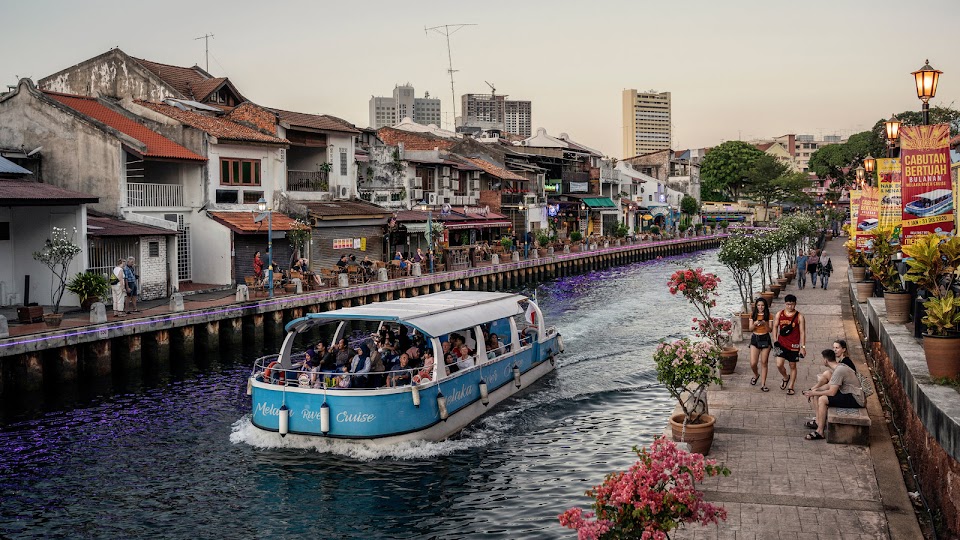
Melaka River Walk. GPS: 2°11'58"N 102°15'02"E
About time for the operator of our famous river cruise boats to use solar powered electric motor.
Solar panels can be mounted on the canopy of the boat to charge the boat battery to run the electric motor and night lights.
We can construct a gateway into Jalan Bunga Raya and Kee Ann Road.
Bunga Raya Road will be lighted up while Kee Ann Road will do it's food street during the weekends.


The Qixi Festival, often called Chinese Valentine's Day, falls on Thursday, August 20, 2026. It's rooted in the ancient, tragic love story of the cowherd Niulang and the weaver maiden Zhinü, who are separated by the Milky Way and allowed to meet only once a year on this day by an aerial bridge across the Milky Way from Earth to the Heavans by swifts.
Today, celebrations blend modern romance with ancient traditions.
Here's how it's celebrated:
· Modern Romance: Like Western Valentine's Day, it's popular for gifting flowers, chocolates, and romantic dinners, along with city-wide events and marketing campaigns.
· Traditional Roots: Originating over 2,000 years ago, it was a "Daughters' Festival" where women showcased domestic skills and prayed for wisdom and a good marriage. You can see a resurgence of these traditions at cultural festivals with lanterns and performances.
· A Popular Day to Marry: Many couples choose this symbolic day to register their marriages, with cities even extending office hours or hosting group weddings

The story of Bukit Cina, or Chinese Hill, is a captivating blend of ancient legend, royal diplomacy, and the enduring legacy of a community. Nestled in the heart of Melaka, this hill is more than just a landmark; it is a living chronicle of the deep and complex ties between China and Malaysia.
👑 The Legend of Princess Hang Li Po
The hill's story begins in the mid-15th century with the legendary figure of Hang Li Po. According to local tradition, she was a Ming Dynasty princess sent to Melaka to marry Sultan Mansur Shah, sealing a strategic alliance between their kingdoms . As a wedding gift, the Sultan gifted the entire hill—then known as Bukit Cina—to the princess and her vast entourage of 500 handmaidens and ministers' sons .
Her followers built the Hang Li Po Well at the hill's foot. This vital water source never dried up, even during droughts, and was fiercely contested during conflicts. Today, it's a popular "wishing well"—legend says those who toss a coin in are destined to return to Melaka .
🚢 The Admiral and the Well of Seven Dragons
The Chinese presence was also cemented by the famous admiral Zheng He, who visited Melaka multiple times in the 15th century. He established a base at Bukit Cina, and his fleet dug seven wells at its foot, known as the Seven Dragon Wells. While some were lost to development, the three that remain are said to have never dried up .
It is worth noting that while the princess's story is celebrated in local lore, some historical records have debated her existence, with some accounts attributing the wells directly to Zheng He's expeditions .
🪦 The Legacy of the Largest Chinese Cemetery
Over the centuries, Bukit Cina became the final resting place for the local Chinese community. Officially designated a cemetery in 1685, it now contains over 12,000 graves across 250,000 square meters, making it the largest Chinese cemetery outside China .
Despite facing threats from Portuguese missionaries in the 16th century and a development proposal in 1984, the site was preserved due to public outcry, protecting this vital piece of heritage . Today, Bukit Cina is a serene public park and a poignant memorial to the first Chinese settlers who helped shape Melaka's unique multicultural identity .
I hope this gives you a deeper appreciation for Bukit Cina's rich history.
这是一段关于马六甲三宝山(Bukit China)的完整历史故事,已翻译为中文:
---
三宝山:马六甲华人的不朽传奇
在马六甲市中心,静静矗立着一座古老的山丘——三宝山。它不只是地图上的一个地名,更是一部流淌在血液里的华人史诗,记载着数百年来的王朝联姻、航海壮举,以及一个族群在异乡扎根的坚韧与温情。
👑 传说之始:汉丽宝公主下南洋
故事要追溯到 15 世纪中叶的满剌加王朝。相传,中国明朝的皇帝将公主 汉丽宝 远嫁至马六甲,与苏丹 曼苏尔沙 联姻,以缔结两国的和平盟约。苏丹为表诚意,将整座山丘赐予公主作为安身之地,这便是“三宝山”之名的由来。
公主带来的 500 名侍女 与随从,就此在山脚下定居。他们与当地马来人通婚,逐渐繁衍出独特的 “峇峇娘惹”(土生华人)文化——融合了中华礼仪与马来习俗,成为马六甲最独特的文化风景。
💧 永不干涸的汉丽宝井
山脚下有一口古老的 汉丽宝井,据说是公主随从所挖。这口井水质清澈,即使在最严重的旱季也从未干涸,成为历代居民的命脉。殖民时期,它甚至成为各方势力争夺的对象。如今,游客们仍习惯往井中投掷钱币——传说只要投下一枚硬币,你终有一天会再回到马六甲。
🚢 郑和与七龙井
同样在 15 世纪,伟大的航海家 郑和 七下西洋,多次驻扎马六甲。他在三宝山脚下设立官厂,并命人挖掘了七口井,称为 “七龙井”。虽然多数已被岁月掩埋,但至今仍有三口井留存,井水同样终年不竭,仿佛在默默诉说着当年舰队云集的盛况。
🪦 海外最大的华人墓园
时光流转,三宝山逐渐成为早期华人移民的最终归宿。1685 年,它被正式辟为义山(华人公墓)。如今,这片 25 万平方米的土地上,安息着超过 1 万 2000 名 先人,是 中国以外面积最大、古墓最多的华人墓园。
这里的墓碑铭刻着福建、广东、海南等不同籍贯的堂号,每一块石碑都是一段漂泊与扎根的故事。
⚔️ 风雨守护:两次命运的转折
三宝山曾两次面临灭顶之灾:
· 16 世纪,葡萄牙殖民者曾试图摧毁这片墓地,但在当地华人的奋力抗争与赎买下,山丘得以保全。
· 1984 年,马来西亚政府因城市发展计划,一度提议征用三宝山。消息一出,全国华人社团群起反对,发动声势浩大的“挽救三宝山”运动。最终,政府收回成命,这座承载着集体记忆的山丘被永久保留为文化遗产。
🌸 今日的三宝山
如今的三宝山,早已成为马六甲多元文化共存的精神象征。山脚下,青云亭香火不绝,山上绿草如茵,每逢清明,后人从四面八方前来扫墓祭祖。这里不再只是一片坟山,而是一座无声的纪念碑,铭刻着华人先贤漂洋过海、落地生根的勇气与尊严。
---
“三宝山不倒,华人魂不灭。” 这不仅是马六甲的故事,也是整个南洋华人历史的缩影。
 ZHENG HE
Admiral Zheng He's visits to Melaka were pivotal, establishing it as a major diplomatic and trade hub under Ming China's protection. He is believed to have visited Melaka five to seven times during his seven voyages between 1405 and 1433 .
🤝 A Foundation of Friendship and Security
Zheng He's relationship with Melaka was strategic and friendly. His first voyage (1405–1407) established diplomatic ties and notably cleared the Malacca Strait of pirates, securing vital trade routes . This support helped the young sultanate resist invasions from Siam and Majapahit, growing into a major regional power .
Today, this legacy of "fair trade and barter trade" is seen as a symbol of friendship, contrasting with later European colonization .
🏛️ A Living Legacy in Modern Melaka
You can still see Zheng He's influence in Melaka today. The Cheng Ho Cultural Museum is believed to sit on the site of his former official warehouse complex . It houses detailed fleet models, navigation tools, and trade goods .
A significant cultural celebration is held at the Poh San Teng Temple every year on the 31st day of the sixth lunar month to commemorate his arrival .
郑和下西洋与马六甲
郑和访问马六甲具有里程碑式的意义,使该地在大明王朝的保护下成为重要的外交与贸易中心。据信,在1405年至1433年间的七次下西洋中,郑和曾五到七次到访马六甲。
🤝 友谊与安全的奠基
郑和与马六甲的关系既具战略性,又充满友好。首次下西洋(1405–1407年)即建立邦交,尤为重要的是清除了马六甲海峡的海盗,保障了海上贸易航线的安全。在明朝的支持下,这个年轻的苏丹国成功抵御了暹罗(泰国)和满者伯夷(爪哇)的侵扰,逐渐崛起为地区强国。
如今,这段“公平贸易与物物交换”的历史被视为友谊的象征,与后来欧洲殖民者的统治形成鲜明对比。
🏛️ 活在当下的历史遗迹
今日的马六甲依然可见郑和的印记。郑和文化馆据信就建在当年郑和官方仓库的原址上,馆内展有精细的船队模型、导航工具及贸易商品。
每年农历六月三十日,宝山亭都会举办盛大的纪念活动,以缅怀郑和的到访。
---
Enjoy this song praising the historical Melaka River.
Song to praise the historical Melaka River.
https://aimusicfactory.ai/share?id=3295126&&music_id=a7842cef-2bf2-4a94-9a9d-8c55d1d856af
Published on October 24, 2025
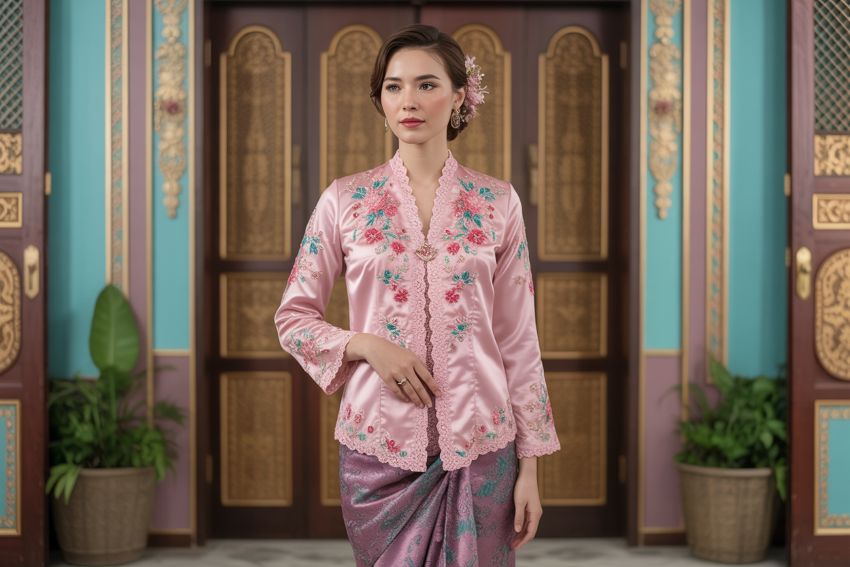
Melaka, a city well-known for its dynamic cultural landscape and extensive history, is actively working to preserve its legacy. The state has revealed plans to provide free admission to a number of its well-known sites to visitors wearing traditional Nonya kebaya clothing as part of a new tourism initiative. In addition to honouring the Peranakan and Chetti communities who have influenced the city’s history, the state government hopes that this action will inspire tourists to discover the richness of Melaka’s multicultural identity.
Melaka’s Nonya kebaya initiative is deeply rooted in the city’s desire to celebrate its cultural diversity and unique heritage. The Peranakan culture, a blend of local and Chinese influences, has long been a defining characteristic of Melaka’s history. The introduction of this initiative is not just an appreciation of the Nonya kebaya but a broader effort to preserve the traditions and customs of the Peranakan Chinese and Chetti communities, whose cultural contributions have enriched the region over centuries. Visitors dressed in traditional attire will have the opportunity to explore Melaka’s history through its monuments, buildings, and landscapes, which tell the story of these two culturally significant communities.
As part of the cultural initiative, tourists visiting Melaka in the traditional Nonya kebaya will enjoy free entry to several top attractions, with the Melaka Zoo being one of the main inclusions. The zoo, home to a variety of wildlife, serves as an excellent representation of the state’s commitment to integrating nature with heritage tourism. In addition to the zoo, the package will also include free access to the famed Melaka River Cruise. The river, which has been an integral part of Melaka’s trade and history, offers visitors a scenic journey through the heart of the city, where they can observe colonial buildings, traditional wooden houses, and lush greenery lining the riverbanks.
The initiative will officially kick off in 2026 and is part of the state’s broader tourism strategy to create a more engaging and immersive experience for visitors. The Peranakan and Chetti communities have long been celebrated for their vibrant cultures, and this initiative serves as a reminder of the importance of cultural preservation and living heritage.


